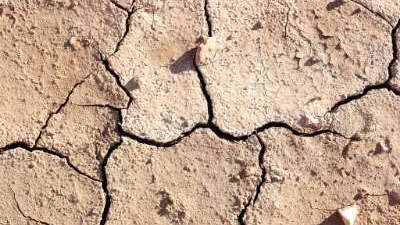
The amount of air definitely affects how fast a plant grows, more air equals faster growth, though too much air can bring other problems. So if you have clay soil, that could explain some of the issue for slower growth.
Keep in mind, trees aren’t veggies, so they need some differences to maintain their roots longterm. I think the below may help.
One thing about clay soil:
I had watched a lecture from Gary Matsuoka on soil. He stated that if you have a plant growing in compost and you put it into clay soil, it just rots. This is because clay doesn’t breathe well and the compost uses up that little amount of air and there is nothing left for the plant roots. (This would apply to other types of organic matter such as bark around the roots as well.) So if you put compost or bark in the root zone in clay soil, it can stunt them for a long time.
If you have a plant that comes in compost or bark, you need to remove at least 80% of it before planting it in clay soil. This can shock the plant for a couple of weeks, but it should recover. You want to shade it during that time too. He recommended putting a trash can next to it to shade it from the sun.
He also said that if you want to line the hole in the clay with something to make sure the plant can breathe, you can use a layer of sand or pumice. A mix with peat can be okay as long as it doesn’t have compost or bark, and it should have permanent materials like pumice or sand in it, some perlite is okay.
Clay can be okay for plants as long as they aren’t sitting in water for weeks. You just water less than with other soils. Clay also has a lot of nutrients. Adding calcium (if needed) can help to flocculate the soil. Also, if you don’t mind a little DIY, JADAM microbial solution, which takes about 3 days to make and has no odor, can help to loosen clay soil.
Bark, or other organic matter, can go on top of clay, but not in it.
About cheeseweed and grasses:
Grasses usually grow in soil that is tight. Their many roots help to loosen the soil and bring in oxygen.
An abundance of cheeseweed indicates the soil is very low in calcium, high in potassium, very high in magnesium, high in iron, high in selenium, low in humus, low in porosity, low in beneficial microbes, hardpan in the soil, poor decay, and it can develop a surface crust in some conditions indicating the improper calcium to magnesium ratio.
So this can give you some information for how to proceed. You definitely need do regular applications of calcium. Definitely need to regularly add in the aerobic microbes, which the JADAM microbial solution can do. Definitely don’t put organic matter into the soil, because it will not break down properly and can create bad gases for the plant. Add organic matter to the top though to start building up humus. Don’t apply any fertilizers with magnesium or iron, and keep potassium very low.