Almost out of Room

bushdoctor82

Well-known member
Anyone else’s grow area nearing capacity as we approach Spring?

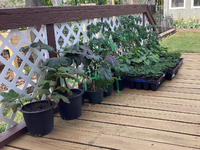
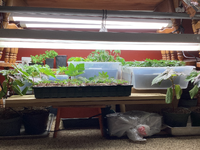
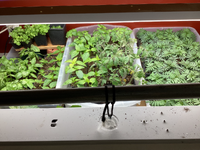
I’ve managed to cram 25 peppers, 10 tomatoes, 40 marigolds (plus another 72 marigolds for later planting), 8 basil, 5 parsley, 9 castor beans and 3 fig cuttings in just under 16sf. I’m hoping to get these out of the house and onto the deck next week.
IMG_2199.png

IMG_2198.png
 
I got some peppers (2 varieties) and tomatoes (4 varieties) going, also some basil, cilantro, and a variety of mint I've been wanting to try.
So yeah I'm ready to get them out of the house. lol
Too many cuttings going, I knew I'd end up doing that.
 
I got some peppers (2 varieties) and tomatoes (4 varieties) going, also some basil, cilantro, and a variety of mint I've been wanting to try.
So yeah I'm ready to get them out of the house. lol
Too many cuttings going, I knew I'd end
Anyone else’s grow area nearing capacity as we approach Spring?

I’ve managed to cram 25 peppers, 10 tomatoes, 40 marigolds (plus another 72 marigolds for later planting), 8 basil, 5 parsley, 9 castor beans and 3 fig cuttings in just under 16sf. I’m hoping to get these out of the house and onto the deck next week.

View attachment 5552

View attachment 5553
May i ask what you grow the castor beans for?
 
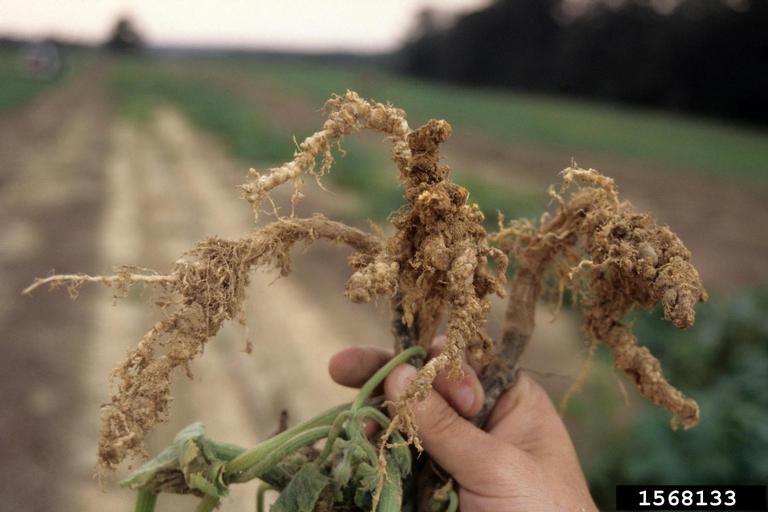
I have RKN throughout my vegetable and fig tree growing areas. There are several limited studies that show that castor seed meal and castor leaf tea can be used to manage the population. I am trying to cover my bases and currently have mustard growing, will be applying leaf mold and oyster shells, planting marigolds, castor beans and wine caps and applying JMS throughout the season.
 
I have RKN throughout my vegetable and fig tree growing areas. There are several limited studies that show that castor seed meal and castor leaf tea can be used to manage the population. I am trying to cover my bases and currently have mustard growing, will be applying leaf mold and oyster shells, planting marigolds, castor beans and wine caps and applying JMS throughout the season.
I was wondering why so many marigolds & castors, but now it makes sense. Be sure to churn pine bark into the soil when you churn the marigolds under.

You need a larger plant starter area!! 16 ft2 fuhgetaboutit that's far too small
 
I was wondering why so many marigolds & castors, but now it makes sense. Be sure to churn pine bark into the soil when you churn the marigolds under.

You need a larger plant starter area!! 16 ft2 fuhgetaboutit that's far too small
I definitely started the vegetables too soon. Everything is uppotted and sitting on the deck for another three weeks, as I’m planning on getting the mustard mowed and tilled in this weekend. First time using a Spring cover crop so I’ll see how it goes and make changes next season, if required.
 
I did cucumber too soon as well as @ktrain 's butternut... They were under lights and now out of control in a south window.

I know the merigolds have a practical benefit... but for the life of me I can't recall what it is..... I know... I could "Google it", but I enjoy the experience of my friends here over that of Google's AI. :)
 
I did cucumber too soon as well as @ktrain 's butternut... They were under lights and now out of control in a south window.

I know the merigolds have a practical benefit... but for the life of me I can't recall what it is..... I know... I could "Google it", but I enjoy the experience of my friends here over that of Google's AI. :)
they have a few benefits but the main one being they are a natural pest repellent. To this thread specifically, he’s using them to repel RKN as much as possible. French marigolds are the ones probably being used.

For each tomato / cucumber plant I put in my garden, I always plant marigold and basil next to them. Never had an issue with insect pests getting to my harvest before me
 
I was wondering why so many marigolds & castors, but now it makes sense. Be sure to churn pine bark into the soil when you churn the marigolds under.

You need a larger plant starter area!! 16 ft2 fuhgetaboutit that's far too small
I wouldn't till pine bark into the soil. Save it for mulching the top when your finished tilling
 
I wouldn't till pine bark into the soil. Save it for mulching the top when your finished tilling
How would top dressing help???

"Compost and aged pine bark are two amendments that can improve soil conditions and plant health. Pine bark, which works best if fresh and ground into small pieces, has been reported to help suppress damage from root-knot nematodes. This should be done a month or more before planting."

 
That’s the plan. Only tilling in mustard then adding leaf mold, leaves and zebra grass collected over the Fall for mulch in vegetable garden. Area that’s getting a fig tree and castors will have mustard tilled in then wood chips as mulch.
What is the reason for the mustard? I remember the millennial gardener saying that it was beneficial to grow mustard where you are going to grow fig trees but I don't remember the reason.
 
How would top dressing help???

"Compost and aged pine bark are two amendments that can improve soil conditions and plant health. Pine bark, which works best if fresh and ground into small pieces, has been reported to help suppress damage from root-knot nematodes. This should be done a month or more before planting."

If you till in pine bark it will use nitrogen from the soil to decompose. If you use it for mulch it will decompose slowly and add nutrients to your soil. I personally don't till anymore, haven't in 12 years. I add compost on top of the beds and mulch everywhere else. Putting it on top and not tilling keeps the weed pressure WAY DOWN. I don't have RKN but if I did I would definitely try tilling the mustard crop in to help prevent them . But still wouldn't till in pine bark
 
What is the reason for the mustard? I remember the millennial gardener saying that it was beneficial to grow mustard where you are going to grow fig trees but I don't remember the reason.
Mustard contains compounds called glucosinolates. The concentration of glucosinolates are highest at flowering. Once the mustard is mowed or weed whacked, tilled into soil and wet down, a chemical process converts the glucosinolates to isothiocyanates, which apparently kills or disrupts the life cycle of RKN and other pests. I may be off on the chemistry part, but that’s the gist of it. It also adds organic matter to the soil.
 
Mustard contains compounds called glucosinolates. The concentration of glucosinolates are highest at flowering. Once the mustard is mowed or weed whacked, tilled into soil and wet down, a chemical process converts the glucosinolates to isothiocyanates, which apparently kills or disrupts the life cycle of RKN and other pests. I may be off on the chemistry part, but that’s the gist of it. It also adds organic matter to the soil.
Very cool, thanks.
 
If you till in pine bark it will use nitrogen from the soil to decompose. If you use it for mulch it will decompose slowly and add nutrients to your soil. I personally don't till anymore, haven't in 12 years. I add compost on top of the beds and mulch everywhere else. Putting it on top and not tilling keeps the weed pressure WAY DOWN. I don't have RKN but if I did I would definitely try tilling the mustard crop in to help prevent them . But still wouldn't till in pine bark
Great thing about bark is that it's composed of lignin and polyphenol that don't break down. You're talking about C:N ratios and N immobilization b4 mineralization, but I don't think that will apply with bark material that is so persistent. The bark should be aged but it won't decompose like other material made of starch & carbohydrates that break down easily
 
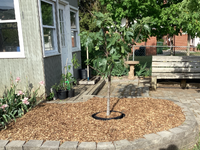
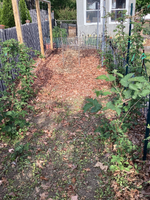
Other than some castors and marigolds planted in untilled areas, these will have to wait another 2-weeks for planting. Mustard was tilled in planting beds over the weekend and covered in a variety of mulches. The fig tree is currently resting in a potted place holder.

IMG_2388.png

IMG_2387.png

IMG_2389.png
 
Back
Top