I wonder how much of the main crop fig growers in cold climates manage to ripen when they hardprune their trees!
It's time to prune and protect our in-ground fig trees for the winter. These two steps are essential to have a successful season and the latter has been thoroughly covered by a few members. But, I have seen some growers thinning their trees by removing most branches down to the trunk.
Based on personal experience, careful pruning is key to ensuring a successful harvest the following season. While there are plenty of videos on how to properly prune a fig tree, there is no one size fits all, especially for fig growers in cold climates.
FWIW, we avoid extreme pruning unless we use proper techniques to ensure timely fruiting and ripening the next year. With older trees (like our 7-year-old Violet Sepor), aggressive cuts can cause significant delays. Worse, in shorter growing seasons, this approach may prevent most figs from ripening before the first frost.
While some growers in very long seasons can prune heavily, in-ground trees in short seasons require a different approach. Thinning all branches down to the trunk puts the season at risk and goes against our goal of ripening and harvesting before the end of September when temperatures typically begin to drop.
One technique that has proven successful over the years involves allowing several new shoots to grow wild then protect them well during winter. Come spring, these new shoots are always the first to fruit, producing both breba and main crops. Notably, the shoots may be less than a year old, but the roots are vast and play a key role in supporting these shoots to produce and ripen loads of fruit before the summer is over, and without compromising quality or taste.


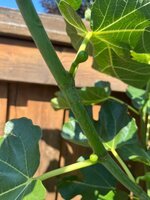
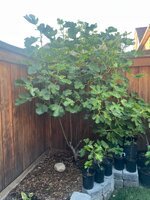
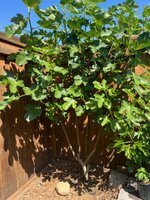
 live and well and looks like main figlets are hanging on as-well. Branches seem still dry and warm, we got at least 2 more months before season starts hope you guys are also as anxious as I am.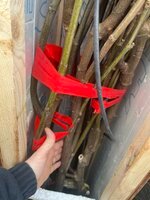
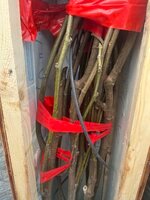
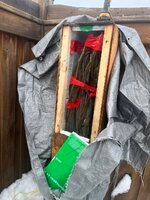


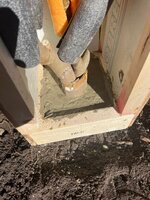
 , the box is only 12 inches x by 12 and height 60” inches. To answer your question no I’m definitely not building a log cabin lol I made it as compact as I could.