

Uncle Jessup
Well-known member
Im a companion planter. Plant roots secrete hormones that can go either way to repel or promote other plants. Jugalone vs Lovage, etc.
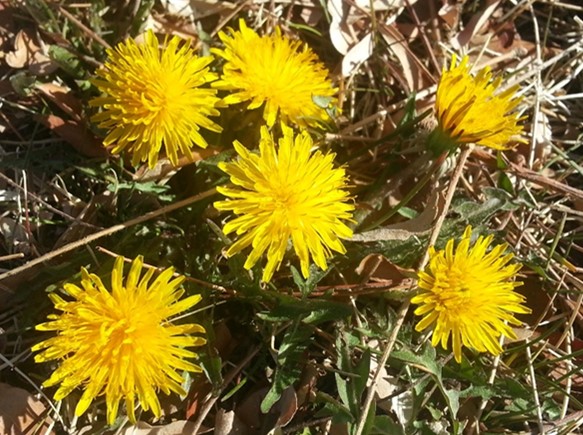
While growing, Dandelions emit ethylene gas that promotes surrounding plants to set fruit early and ripen fruit early. Im about to start purposely planting dandelions in my fig pots! Dandelions!!! Grow them with your figs as a companion for earlier ripening fruit.
https://extension.umd.edu/resource/ethylene-and-regulation-fruit-ripening/
Rondales 1980's Herb book is source #1. That book rocks!
Better resource
 extension.unr.edu
"On an interesting side note, dandelions release ethylene gas, which means that if they are allowed to grow near fruiting annuals or perennials, they may help to speed up the ripening of fruit, including tomatoes. Dandelion’s beautiful golden flowers also serve to attract beneficial insects.
More on ethylene gas (C2H4 or H2C=CH2): It is exhaled by the leaves and flowers of dandelion. Ethylene gas signals to fruiting bushes and trees that it’s time for them to ripen their fruit now, which is what corporate ag does to create as much of a uniform harvest (time wise) as possible when it comes to getting fruit products to ripen around the same time, such as tomatoes. Ethylene gas does have some downsides in that you would not want to have other types of greens in the refrigerator next to dandelion greens, since ripening greens (and most vegetables) means rotten greens and vegetables. Ethylene gas also has another purpose in the plant world, which is to decrease competition around it, which is why you don’t see a lot of other different kinds of weeds growing next to dandelions. While that is an advantage of dandelions in lawns, it also seems to inhibit the growth of other broadleaf plants in general, since they prefer not to breathe in ethylene gas."
While growing, Dandelions emit ethylene gas that promotes surrounding plants to set fruit early and ripen fruit early. Im about to start purposely planting dandelions in my fig pots! Dandelions!!! Grow them with your figs as a companion for earlier ripening fruit.
https://extension.umd.edu/resource/ethylene-and-regulation-fruit-ripening/
Rondales 1980's Herb book is source #1. That book rocks!
Better resource
The Good Weed Series: Common Dandelion (Taraxacum officinale), Blog Posts 22-01 | Extension | University of Nevada, Reno
The Master Gardener Volunteers of Southern Nevada provides horticultural information on gardens, landscapes, plants and other related topics. This blog post is one of many resources of information available to the public to help accomplish this mission.
extension.unr.edu
"On an interesting side note, dandelions release ethylene gas, which means that if they are allowed to grow near fruiting annuals or perennials, they may help to speed up the ripening of fruit, including tomatoes. Dandelion’s beautiful golden flowers also serve to attract beneficial insects.
More on ethylene gas (C2H4 or H2C=CH2): It is exhaled by the leaves and flowers of dandelion. Ethylene gas signals to fruiting bushes and trees that it’s time for them to ripen their fruit now, which is what corporate ag does to create as much of a uniform harvest (time wise) as possible when it comes to getting fruit products to ripen around the same time, such as tomatoes. Ethylene gas does have some downsides in that you would not want to have other types of greens in the refrigerator next to dandelion greens, since ripening greens (and most vegetables) means rotten greens and vegetables. Ethylene gas also has another purpose in the plant world, which is to decrease competition around it, which is why you don’t see a lot of other different kinds of weeds growing next to dandelions. While that is an advantage of dandelions in lawns, it also seems to inhibit the growth of other broadleaf plants in general, since they prefer not to breathe in ethylene gas."
Last edited:
 . We harvested the seeds and planted it in our garden. It’s been 3 weeks and no sight of any seedlings. Murphy’s garden law.


