Natural Charcoal vs Bio-char

superdave336

Well-known member
So my buddy says they are essentially the same and natural charcoal should work the same. Online says differently. My question is has anyone used natural charcoal instead of bio-char and if so, what were the results?

 
I’m not 100% sure, but I’ve heard you can use the wood based charcoal, you just have to charge it. Idk why it wouldn’t work.
 
So my buddy says they are essentially the same and natural charcoal should work the same. Online says differently. My question is has anyone used natural charcoal instead of bio-char and if so, what were the results?
I havent but wood ash is a soil amendment on its own that isnt bad. I mean washed wood ash is what potash is. I would say biochar is unique in its purpose to hold nutrients you add to the soil. its something ive been looking at since sandy soils are really hard to hold nitrogen in.
 
It seems to work well for plants with more root mass @ tomatoes beets radishes ... ive only seen a few comparisons and experiments on YouTube

I havent tried it but the quick google says that proper biochar is made with high heat and no oxygen... and so no ashes ... and all that is bad for soil is expelled as a gas... but it seems like even poorly made biochar would turn good over time...

I saw a video discussing that says that what we do know for sure, that it improves nutrient or ion exchange.. im not sure what charged vs not charged means exactly, allowing it to absorb microbes from compost?

According to this video, uncharged works like a sponge absorbing nutrients at first

Still learning

 
It seems to work well for plants with more root mass @ tomatoes beets radishes ... ive only seen a few comparisons and experiments on YouTube

I havent tried it but the quick google says that proper biochar is made with high heat and no oxygen... and so no ashes ... and all that is bad for soil is expelled as a gas... but it seems like even poorly made biochar would turn good over time...

I saw a video discussing that says that what we do know for sure, that it improves nutrient or ion exchange.. im not sure what charged vs not charged means exactly, allowing it to absorb microbes from compost?

According to this video, uncharged works like a sponge absorbing nutrients at first

Still learning
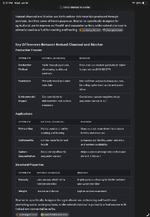
Charged means it has been soaked to absorb nutrients etc.
 
I have heard that hardwood charcoal is basically the same, others argue that it is not because true biochar is supposed to be made at a certain temperature to cause certain physiological changes to it. We actually had a little discussion about it here maybe around a year ago.

I do think that hardwood charcoal, without any additives for the bbq, can have a beneficial quality similar to biochar. I get charcoal and ash from my wood burning stove that I use in the garden every year.

I believe though that charcoal can break down whereas biochar can last for a very long time.
 
One thing I forgot too is that biochar can be made from other things than wood, such as bone or manure. Though I think most biochar in the USA is from wood.

From what you posted above, it’s the structural difference that I think has the most bearing for how someone might want to use it.

Are you thinking of making biochar or just buying some?
 
Natural charcoal can be very light and porous. That is one thing I noticed long ago when using them for BBQ.

I too had the same question whether these are interchangeable.
 
My wood stove is efficient and leaves me with plenty. Its the same as Bio-char. I feel like char is char with few exceptions. Now ash is not bio-char but still rich in K & will raise pH i guess from calcium. That black char might not raise the ph as much as the ash content.
 
Back
Top