
bushdoctor82
Well-known member
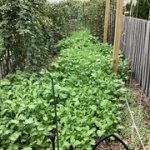
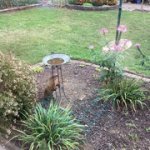
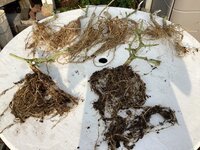
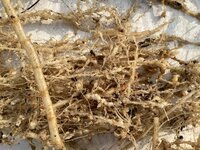
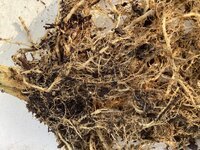
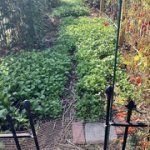
I’ve had several crops fall victim to RKN this summer, most notably cucumbers, beans and tomatoes. I planted mustard seed 3-weeks ago in the vegetable garden (first picture) and also planted mustard seed 2-weeks ago where my RKN infested potted fig used to be (second picture).
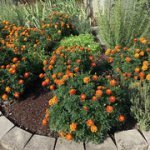
At first flowering (30-40 days after sowing), the crop will be chopped up and tilled into the soil. Mustard has high levels of glucosinolates, which get broken down to isothiocyanates upon tissue damage and incorporated into wet soil. Isothiocyanates can/may poison soil borne pests and inhibit pests from laying eggs and reproducing, including RKN. I’ll be reseeding mustard again in these locations late Winter, followed by planting marigolds in Spring/Summer.
Both mustard and marigolds appear to be an inexpensive way to potentially control RKN, germinate quick and easy and at minimum you’ll be adding organic matter to soil and attract pollinators to your garden.
Click for original
Click for original
At first flowering (30-40 days after sowing), the crop will be chopped up and tilled into the soil. Mustard has high levels of glucosinolates, which get broken down to isothiocyanates upon tissue damage and incorporated into wet soil. Isothiocyanates can/may poison soil borne pests and inhibit pests from laying eggs and reproducing, including RKN. I’ll be reseeding mustard again in these locations late Winter, followed by planting marigolds in Spring/Summer.
Both mustard and marigolds appear to be an inexpensive way to potentially control RKN, germinate quick and easy and at minimum you’ll be adding organic matter to soil and attract pollinators to your garden.
Click for original
Click for original